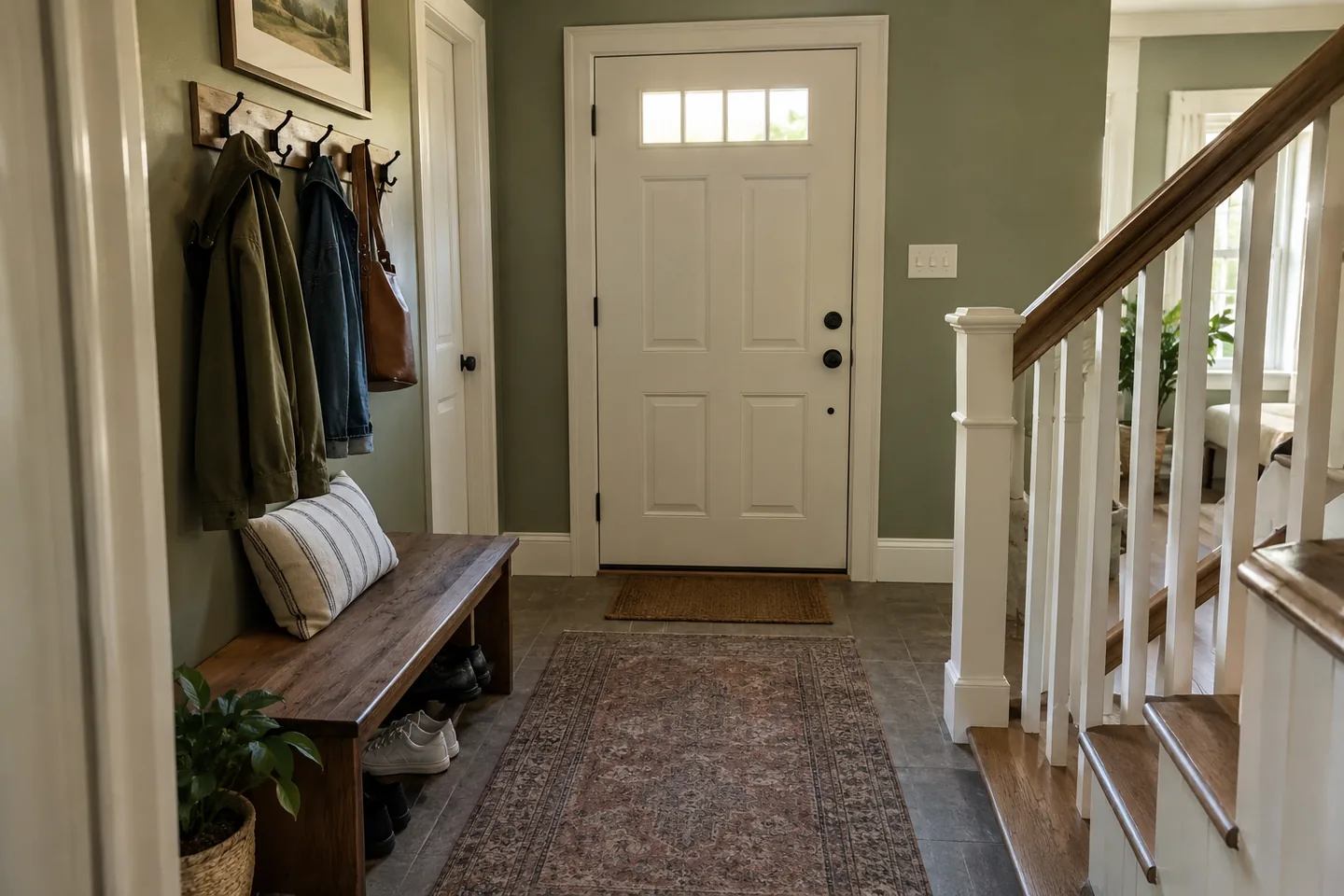
Look at where the marks happen.
There may be one narrow spot beside the coat hooks, a wall touched on the turn of the stairs or a corner hit by school bags. Photograph those areas and explain how the hall is used. Preparation and product choice should respond to that pattern.
Paint does not change the width of the passage or protect a wall from every impact. Consider whether moving a hook, bench or storage piece would reduce repeated contact. Make that decision before holes are filled and the wall is repainted.
Ask for a product name, not just “durable paint.”
Compare the manufacturer’s cleaning guidance and suitable uses. A matte product designed for cleaning may suit your preferred look; another room may suit eggshell or satin. Sheen alone cannot settle the performance question across different paint lines.
Check the appearance in angled hallway light. A more reflective finish can make texture and old patches easier to see. Discuss the preparation before deciding that extra shine is the answer.
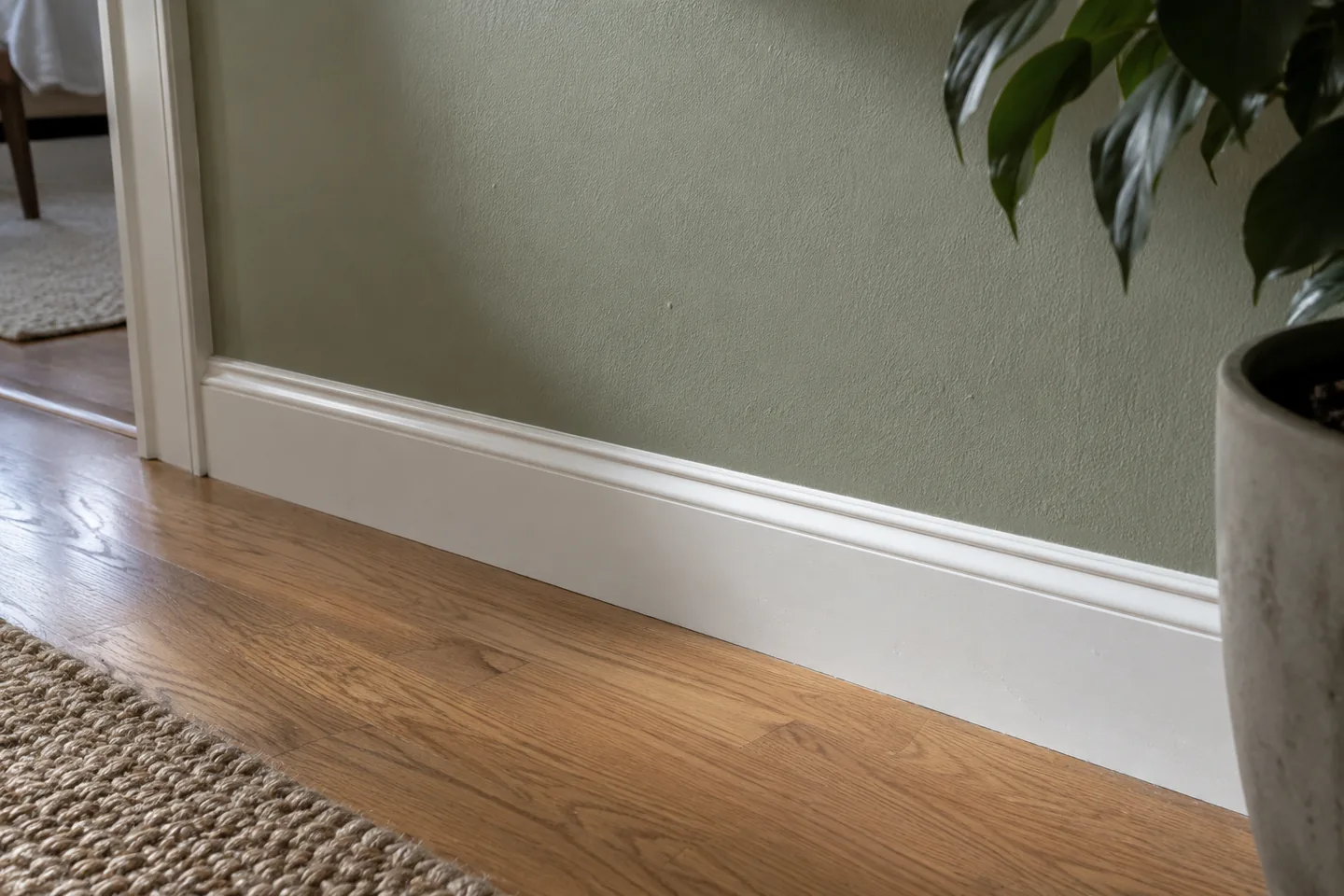
Record the finish.
Keep the paint line, colour and sheen from the completed work. These details are useful for cleaning instructions and future repainting.
Wait for the stated care period.
Follow the chosen product’s cure and cleaning directions. A wall that feels dry may still need gentler handling.
Test cleaning in a small spot.
Use the manufacturer’s recommended method and check an inconspicuous area first. Avoid treating every coating as safe for harsh cleaners or abrasive pads.
Include the trim and doors in your inspection.
Scuffed baseboards and hand-marked door frames can remain noticeable after the walls change. Decide whether to include them, and have those surfaces listed separately. The appropriate coating and preparation can differ from the wall paint.
For a quote, send the hallway’s length, wall height, connected stairs and photos of the busy areas. Mention which rooms depend on that route during the day. The access plan should account for the household as well as the painted surfaces.
A few details before you decide
Does washable paint mean stain-proof paint?
No. Read the particular product’s claims and cleaning instructions. Some marks, impacts or damaged areas may still require repair or repainting.
Can I touch up a small scuff later?
A touch-up may differ from the surrounding paint because of sheen, ageing or application. Keep the product details and assess whether a full wall repaint would look more consistent.
Is eggshell a good hallway finish?
It can be, if the chosen product suits the traffic and cleaning needs. Compare its instructions and appearance with other suitable finishes.
Useful references
CALL OR TEXT GOOD PAINTING
Show us what you have in mind.
Send your neighbourhood, a few photos and the rooms or surfaces you want painted. We’ll work through the scope with you.